Brand violation or deferred maintenance? Sorting site audit findings
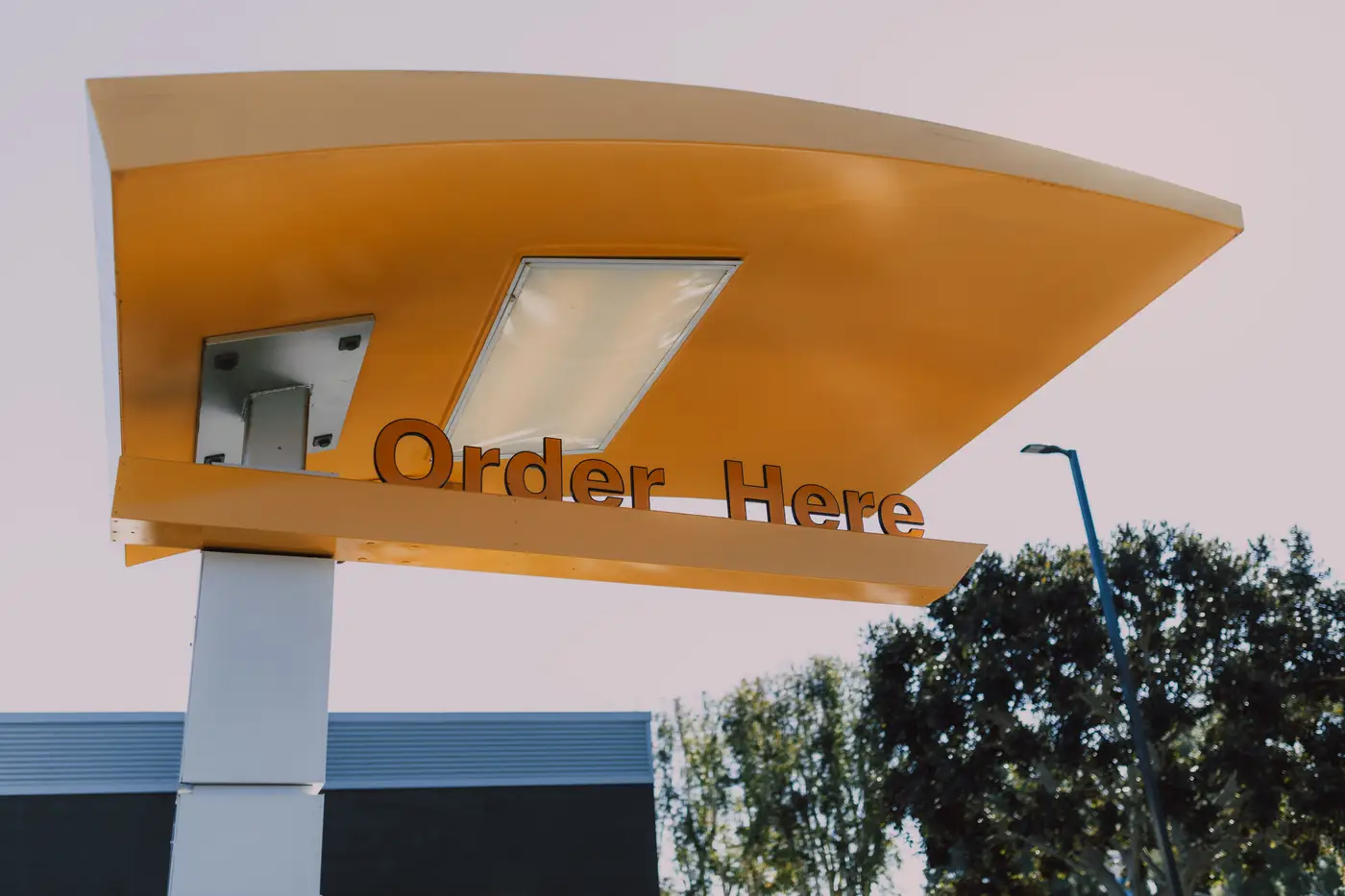
Every condition report eventually lands on your desk with a line item that could go either way. The canopy fascia is faded. Is that a brand violation because the color reads off-spec, or a maintenance issue because the vinyl is past its service life? Get the category wrong and you send the finding to the wrong team, with the wrong deadline, and the wrong consequence attached.
The distinction matters more than it looks. Brand violations usually route to the franchise agreement and carry contractual teeth: a cure period, a corrective action notice, sometimes a fee schedule. Maintenance issues route to facilities or the franchisee's own capital plan, with a longer runway and no agreement language behind them. Mixing the two up either lets a real compliance gap sit for a year under a "fix it when convenient" label, or it turns a worn-out light fixture into a contract dispute nobody needed to have.
What actually separates the two
A brand violation is a deviation from the approved standard itself. Think unauthorized signage, a pylon sign running an old logo lockup, pump-topper graphics from a discontinued promotion still bolted on, interior branding swapped for a competitor's point-of-sale materials, or a layout change that moves the brand's required elements out of spec. The test is simple: does what's on site match what the brand book says should be there? If not, it's a violation regardless of how clean or dirty the site looks.
Deferred maintenance is a decline in physical condition that doesn't change what's installed, only how it's holding up. Cracked apron concrete, rusted bollard covers, a burned-out canopy light, peeling paint on an otherwise correct color scheme, weeds pushing through the curb line. The branding is correct. The site just needs money spent on it.
The overlap case is the one that trips people up: faded brand colors. If the canopy panel is the right design but has sun-bleached to a shade outside the approved color tolerance, that's drifted into violation territory even though the root cause is wear, not a franchisee's choice. Most field teams handle this by flagging it as a maintenance-driven brand violation and noting which cure track applies. Whatever convention your network uses, write it down in your audit standard so two different field reps don't categorize the same fading panel two different ways on two different visits.
A quick triage method for the condition report
When a line item comes in, ask three things in order. First, is the item on the brand standards manual at all, meaning does the manual specify what should be there? If it doesn't, it isn't a brand issue, full stop.
Second, if it is covered, does what's installed match the spec? A mismatch is a violation even if it looks fine. Third, if it matches the spec, has it degraded to the point of non-compliance, like a sign panel so faded the required color can't be verified? That pushes a maintenance item into violation territory.
Everything else is maintenance: structural wear, equipment age, landscaping, pavement condition, anything that's a facilities spend rather than a rebranding spend. Keep those two buckets in separate columns on the report, because they go to different people with different clocks running.
The harder operational problem is getting a report at all without sending someone to every location. That's where an annual pass of aerial imagery earns its keep: a site-by-site condition read plus a change flag against the prior year lets you see which locations moved buckets since the last look, before you decide who gets a call.
If your network is still relying on a windshield survey or a franchisee's own self-report to catch this stuff, Franchise Compliance Audit is worth a look for the annual read and change flag alone.
Early access is open now for brand teams who want that first pass before general release.