Field notes: the franchisee who inherited a site three image refreshes behind
There's a particular kind of walk-through that brand compliance people know and dread a little: the first site visit after a resale closes, when the new operator hands you the keys to a location nobody from your office has looked hard at in years.
The paperwork says the transfer went through clean. Franchise agreement assigned, royalty account transferred, the new owner's name on the liquor license or the fuel supply contract or whatever local permit applies. What the paperwork doesn't say is which brand cycle the site stopped at. Because somewhere between the second-to-last operator losing interest and the resale finally closing, the site quietly fell out of step with the network, and nobody flagged it because nobody was looking.
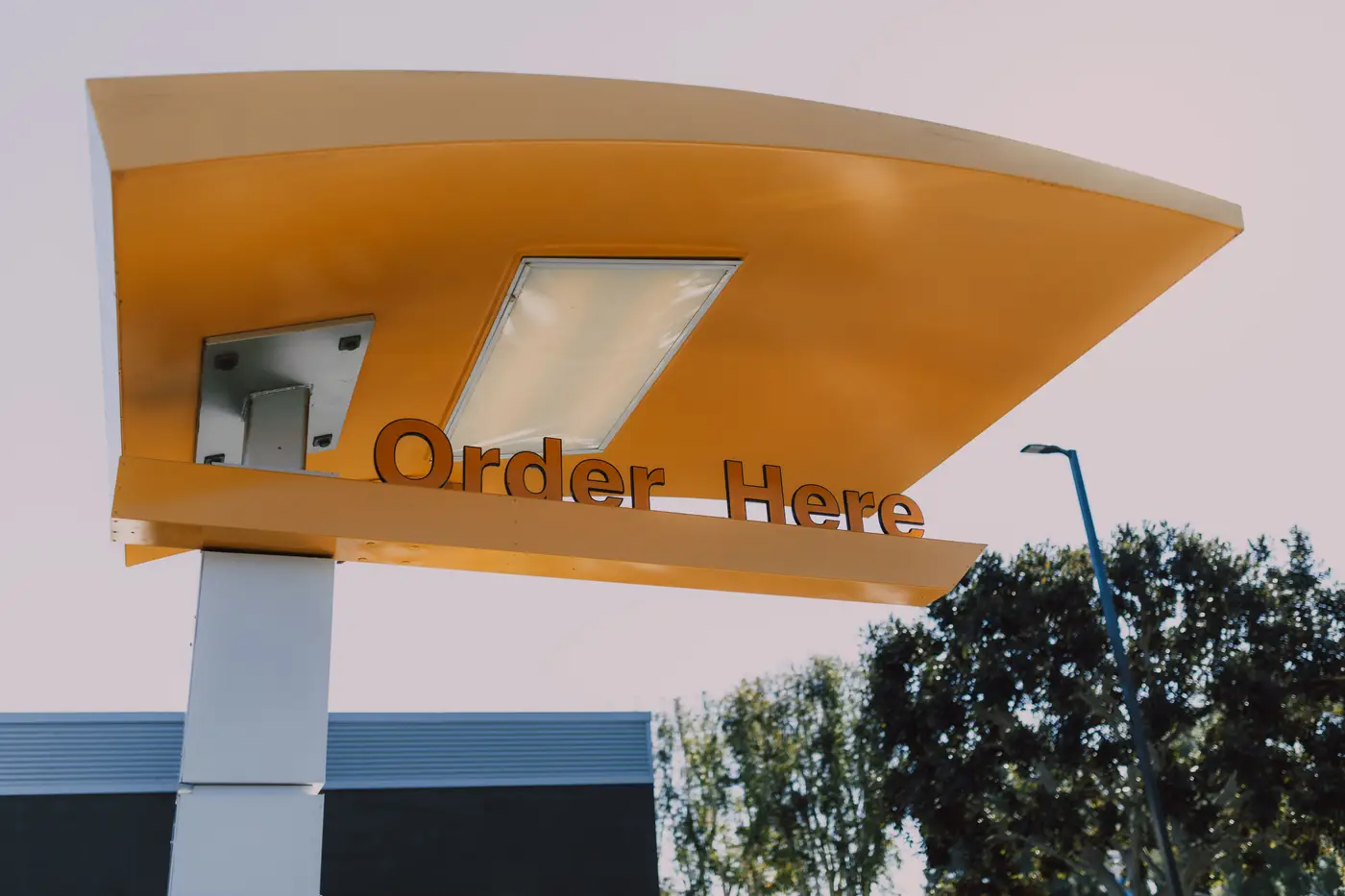
I've seen this play out three refreshes deep more than once. The pole sign still carries the oval logo from two brand standards ago. The canopy fascia is the right color family but the wrong generation of the mark, the one with the serif tagline nobody uses anymore. Inside, the POS graphics are current because corporate pushed those through a vendor contract that didn't care who owned the dirt. But the exterior, the part every customer sees before they ever walk in, is frozen at whatever point the previous operator stopped caring enough to invest in signage they weren't sure they'd keep.
The new franchisee, to their credit, usually has no idea. They bought a business, not a brand history. They inherited a site file that says "compliant as of" a date that turns out to mean "compliant as of the last time anyone physically drove out there," which could be a long time before the ownership transfer even happened. Nobody updated the record because the record only gets touched when someone visits, and visits are expensive, so they get spaced out, and the gap between visits is exactly where legacy branding goes to hide.
Signs get fixed once someone points at them, so the sign itself isn't the frustrating part. The frustrating part is the lag in finding out. A resale can sit for months before the new owner's first renovation walkthrough even happens, and in franchise networks running dozens or hundreds of locations, that walkthrough competes for calendar space with everything else a field rep is responsible for. Meanwhile the site sits there, three refreshes behind, representing the brand to every driver who pulls off the highway, and the only reason anyone finds out is a customer complaint or a regional manager happening to drive past.
Cadence is what catches this kind of drift. A site that gets looked at every year, consistently, on a schedule that doesn't depend on whether a transfer happened to land on someone's calendar, is a site where "three refreshes behind" can't accumulate in the dark. You'd catch it at refresh one, not refresh three, because the comparison against the prior pass would have flagged the mismatch the year it started.
That's the gap we built Franchise Compliance Audit to close for ownership transfers specifically. An annual aerial pass checked against the last one catches the sign that didn't get updated when the deed changed hands, without requiring a field rep to physically stand in front of every canopy in the network every time a location changes owners. Early access means your team gets the per-site read and the change flag for your own network before this goes to general release.
Ownership transfer is exactly the moment brand drift gets a head start, because the one audit trigger everybody assumes will happen, the new owner inspecting what they bought, is the one most likely to get skipped in the rush to open under new management. Catching that gap on a fixed yearly rhythm, rather than whenever the next renovation inspection happens to land, is worth looking into if resales are a recurring item on your compliance calendar.
If that sounds like the gap in your own network, the waitlist for early access is open.